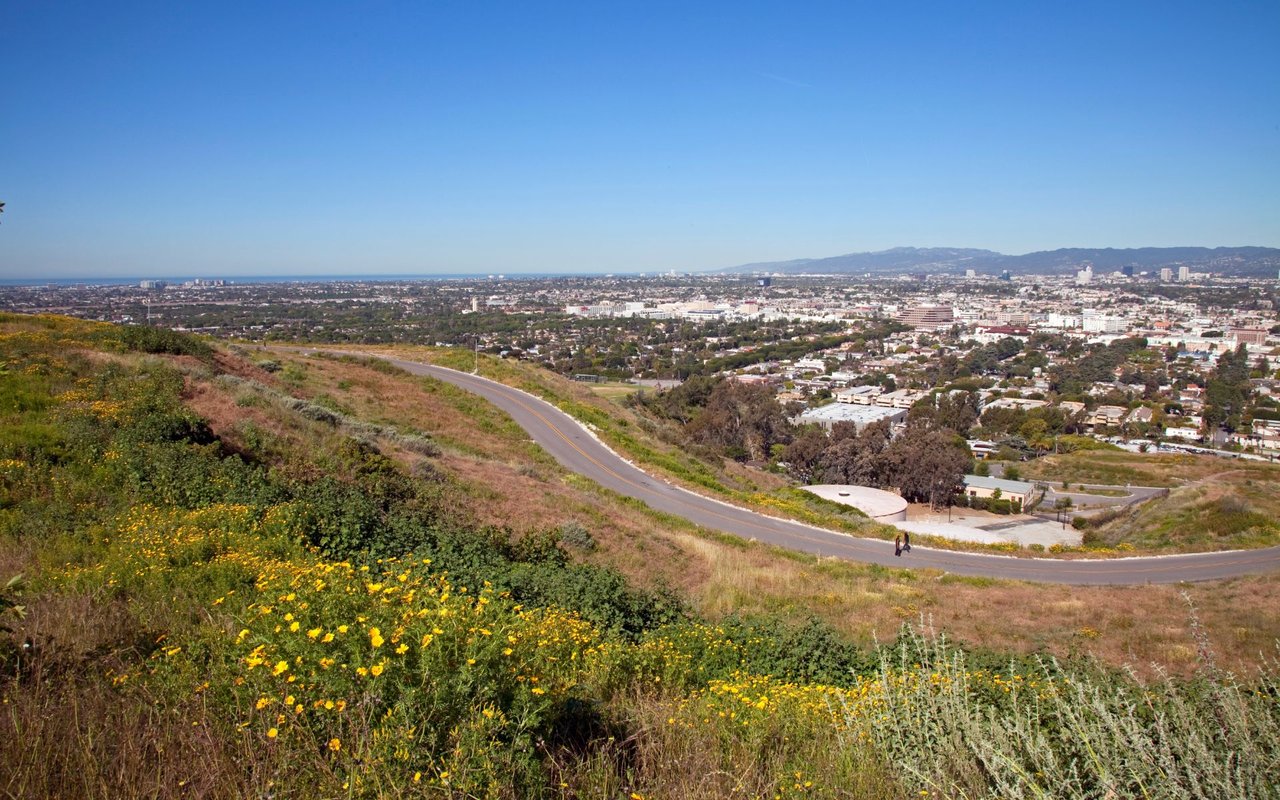
Culver City is the cooler older sister of Playa Vista: she has more stuff, she's lived more life and she's growing in multiple, wonderful ways.
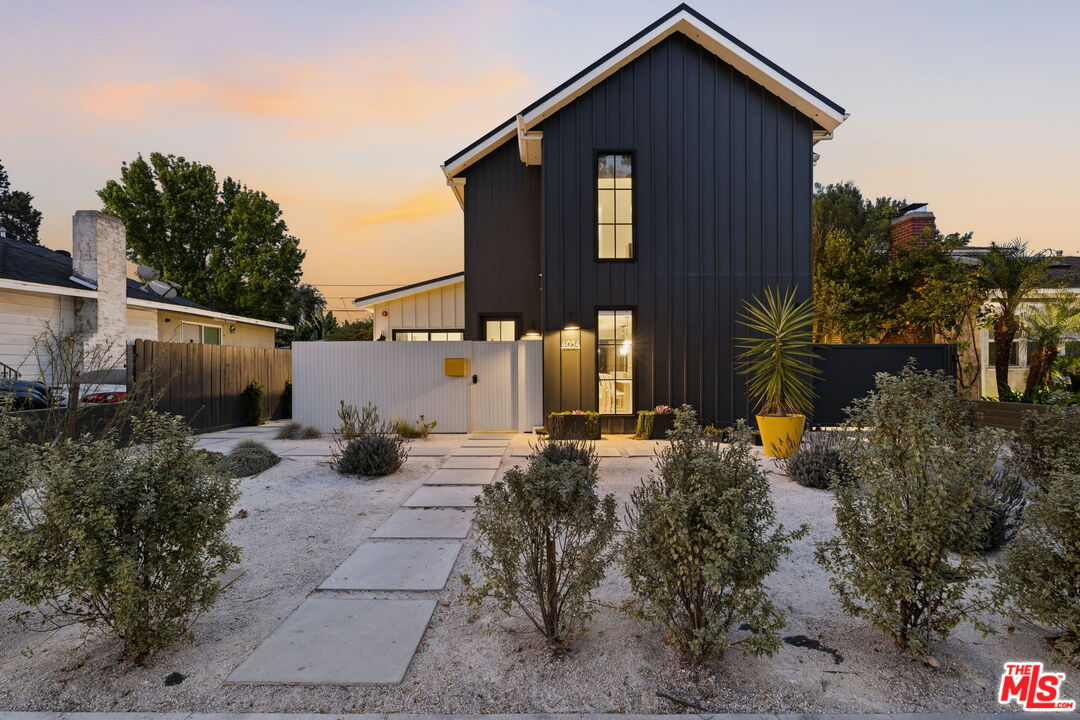
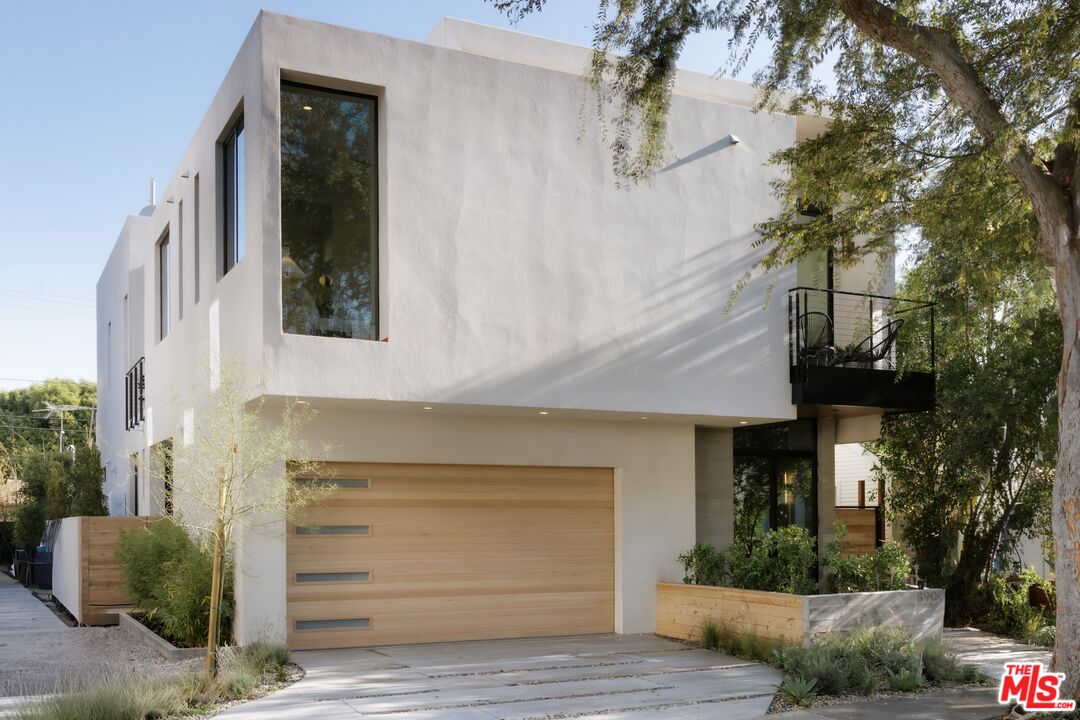
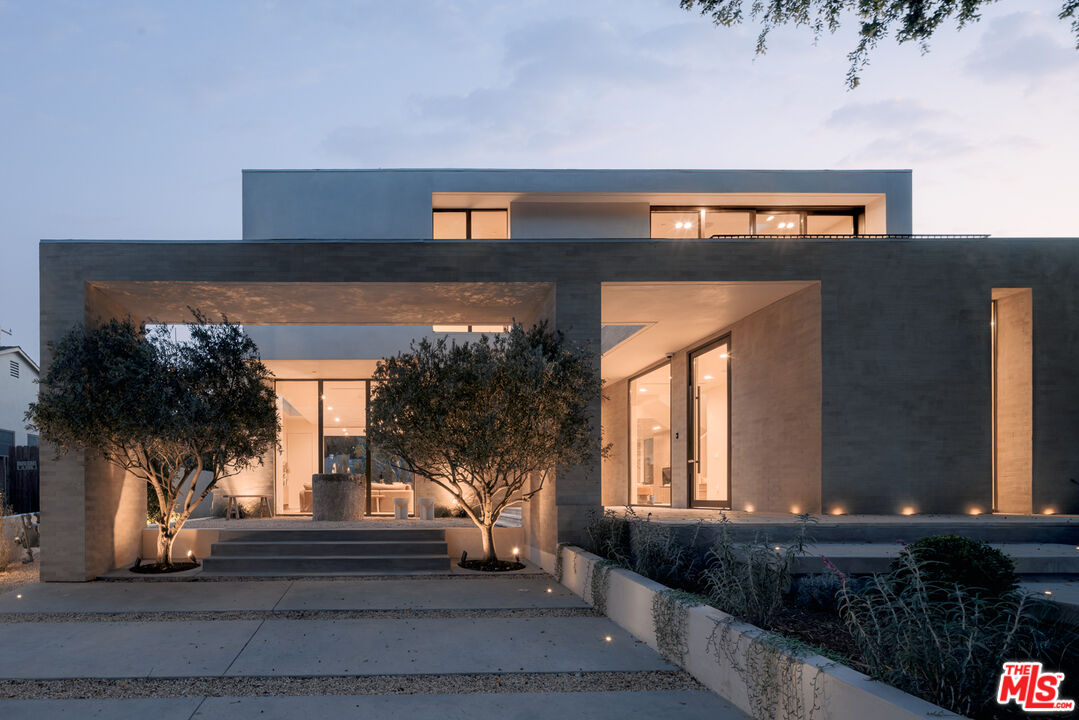
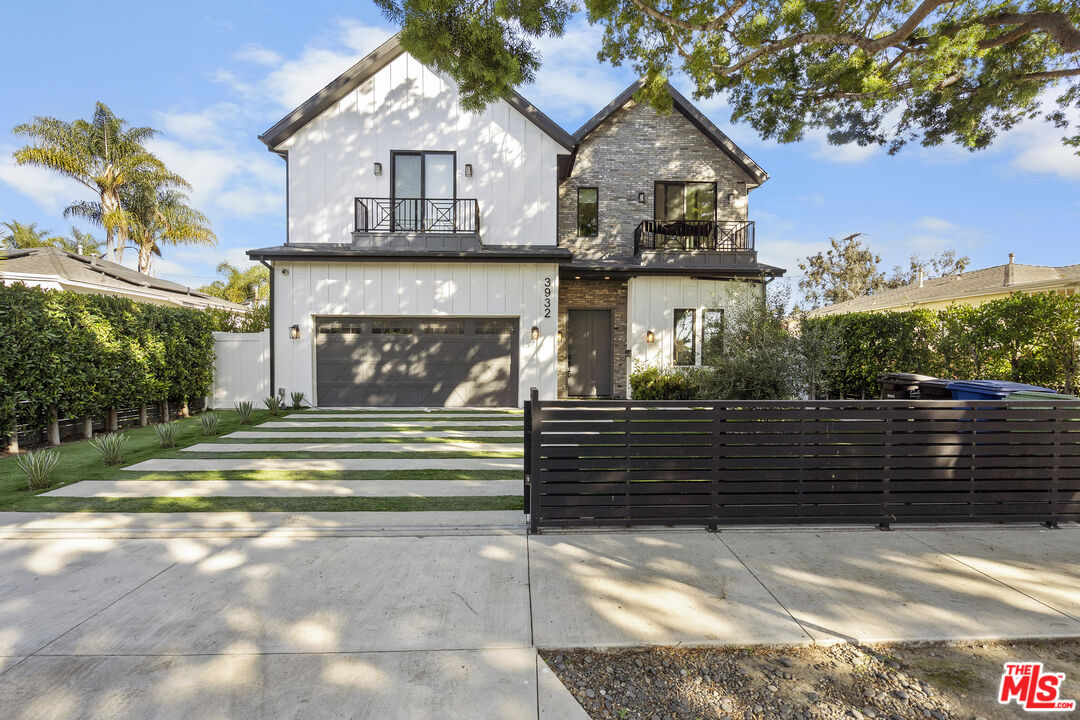
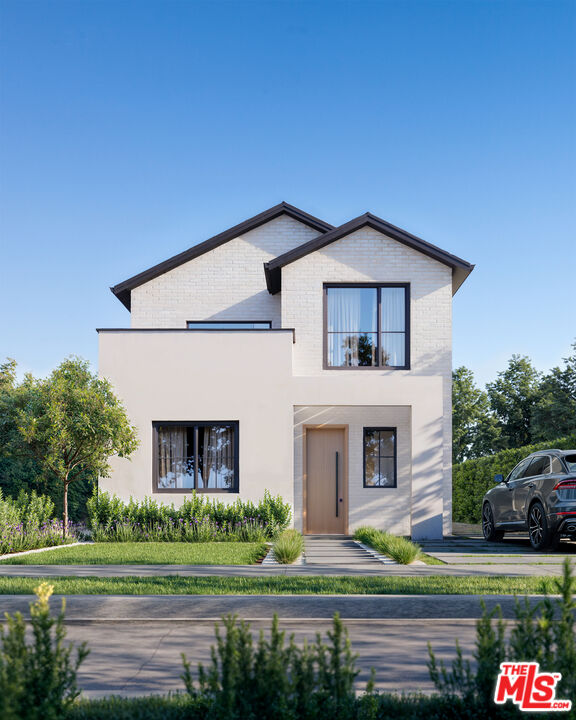
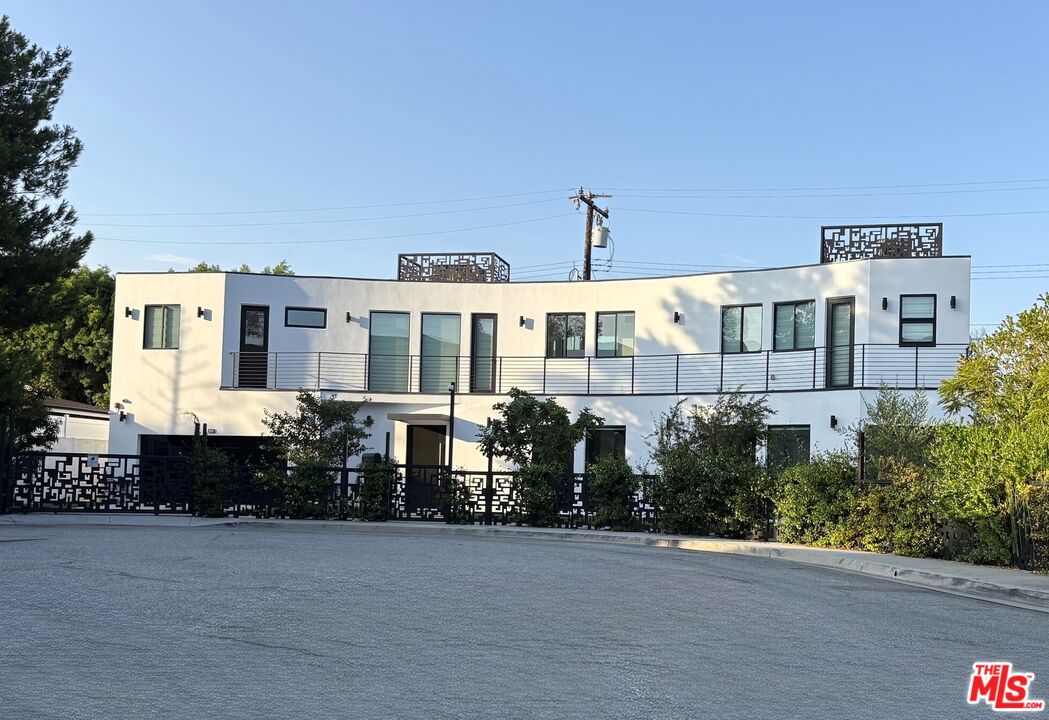
Silicon Beach has spilled over to Culver City, bringing industry and new residents to this once sleepy town. Old sound stages and warehouses have undergone chic renovations to become hubs for various technology companies like Apple and Amazon, plus established entertainment companies and advertising agencies. As the city grew, housing as grown with it - with increasing apartments, small lot subdivisions and older homes being upgraded to large modern residences.
Downtown Culver City has a beautiful old Hotel, a charming streetscape and an ever-changing roster of fun restaurants to try out. Amenities like Trader joes and Erewhon are easy to reach.
The Culver City Arts District along Washington sports unassuming cafes like Cognoscenti Coffee, fun boutique shops like Hi-Lo Liquor and many cool, unassuming offices behind doors with no signs. Architects, production companies, and more flock to this area for the creative feel and great local amenities.
Platform is a little shopping area built not too long ago, with chic shops like Reformation, Broome Street General and Tom Dixon. Enjoy restaurants like Margot, Roberta's and don't forget to grab a coffee at Blue Bottle. Across the street, pop into the Shay hotel and enjoy a rooftop dinner and drink.
Start with coffee at Super Domestic, browse The Ripped Bodice, wander through The Culver Steps, linger over lunch at Bacari or Piccalilli, enjoy a glass of wine at Stanley's Wet Goods, and finish the evening with ice cream from Salt & Straw before taking a sunset stroll past the historic Culver Hotel.
It's one of those neighborhoods where you can easily spend an entire day without ever getting back in your car—and that's exactly why we love it.
40,118 people live in Culver City, where the median age is 43 and the average individual income is $84,626. Data provided by the U.S. Census Bureau.
Total Population
Median Age
Population Density Population Density This is the number of people per square mile in a neighborhood.
Average individual Income